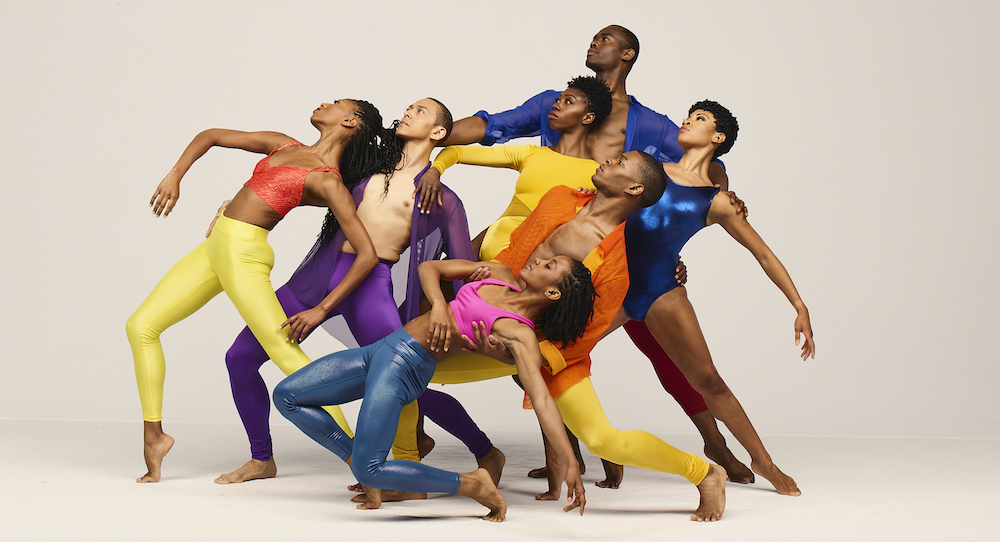
Take Five, Apocalypse in 9/8, The Crunge, Um Mitternacht and many more compositions share unusual time signatures. By far the most common signatures are 2/4, 3/4, 4/4, 6/8… that kind of thing. Departing from these is quite a challenge for some, especially if you want to dance. Most popular tunes are firmly embedded in 4/4. Easy peasy. (Vicar ponders: does anyone recognise any of the compositions?)
Time signatures guide us through a piece of music. The more predictable (four-square) a signature the easier it is to move around to it. There are many dances that aren’t based on the common signatures, but they need more concentration to learn. We have a natural propensity for the /4.
I sense the time signature of the Benefice might need to be reviewed. If the proposals for reorganisation go as the Diocese currently suggests, our natural rhythm of 4/4 might need to change to 6/8. Square time (4/4) is the most rigid whilst 6/8 has a lilting waltz-like quality. Our four parishes might become six and that causes a period of unsettled perturbation. How do we find the new rhythm? How do we rediscover a predictability in it?
Currently, as vicar, I see the pattern like this: four week days, one parish each day for prayer. Saturdays are for preparation for Sunday, then a day off and back to the 4/4 time. Introducing two more parishes might mean a new step, a new “feel” to the week. Indeed, perhaps the week is the wrong pattern to consider. Perhaps a pattern of months comes to the fore.
We are not there yet, and the rhythm has not yet changed. But if or when it does, we can use the moment to reconnect with our own inner dance to the rhythm of our discipleship. Unusual time signatures can be tricky. But often they reveal an inner understanding of how we engage with the music. The rhythm of Athelney might be changing: we need to welcome the opportunity to rediscover how to dance.